Description
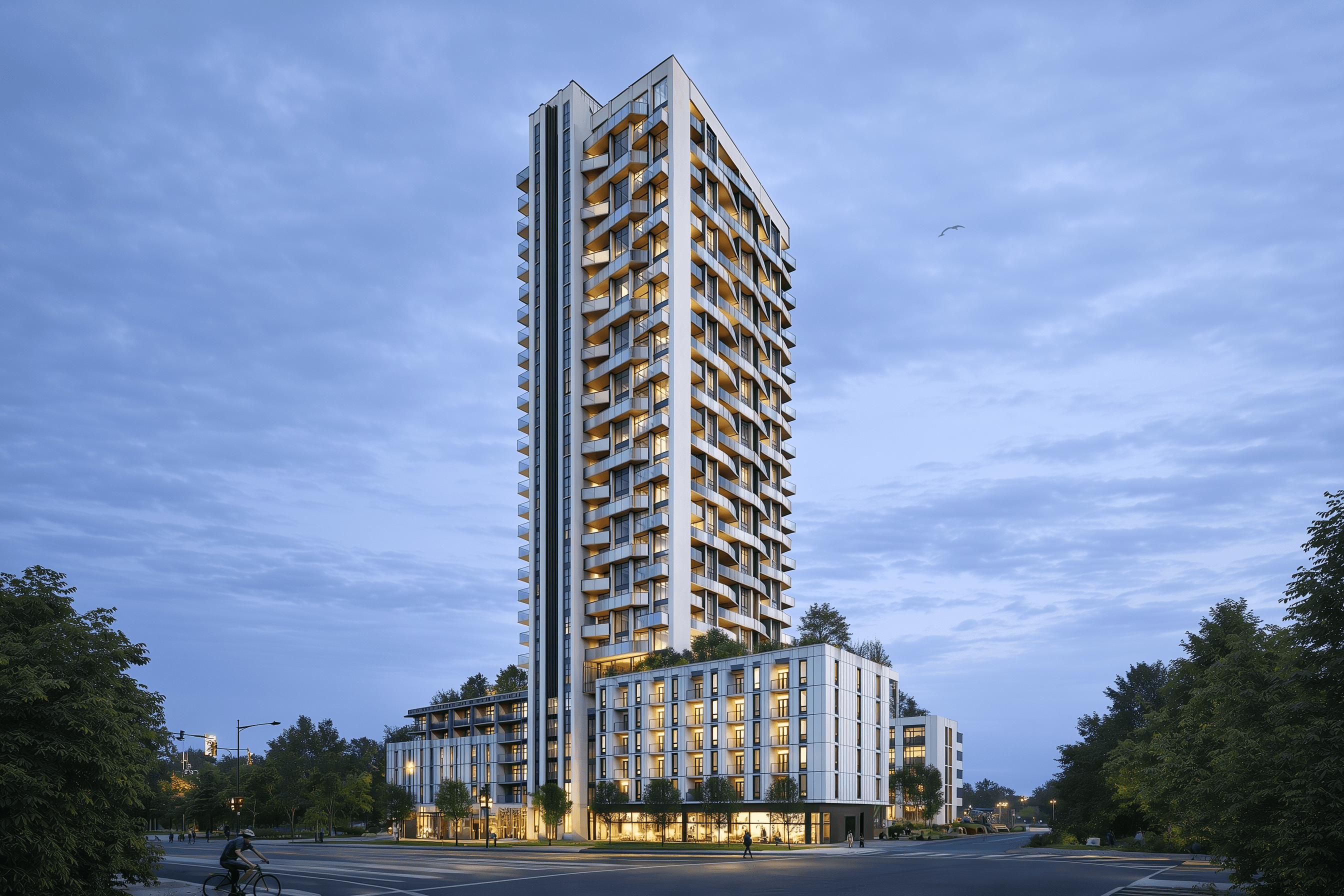
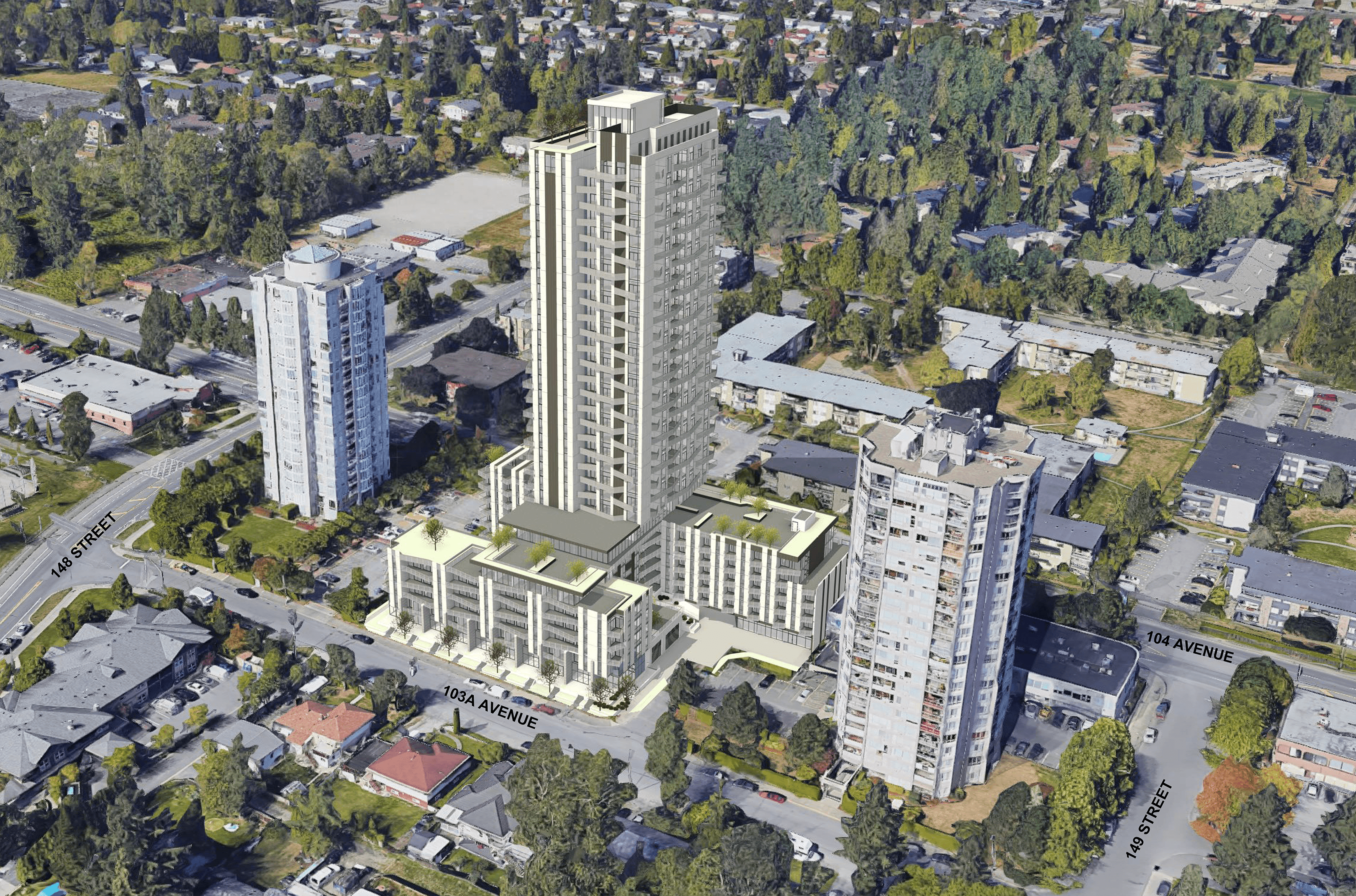
JD Tower is a residential high-rise defined by vertical expression and a distinctive woven-pattern façade. The design creates a contemporary skyline presence while engaging the public realm through carefully articulated massing and materials.
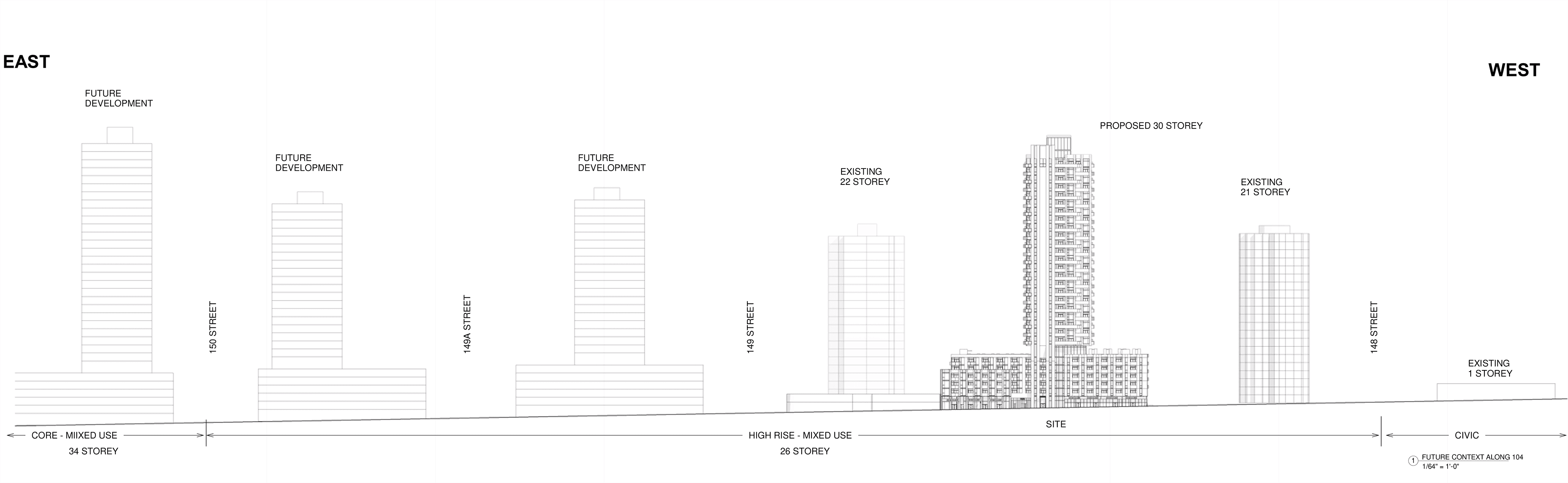
Significant Density & Height Increase
Development potential strengthened from 26 → 30 storeys
FSR increased from 3.5 → 5.6
Achieved through alignment with multiple current policies, housing directives, and TOD incentives
Enhances feasibility and long-term economic performance
Vertical Weave Façade Identity
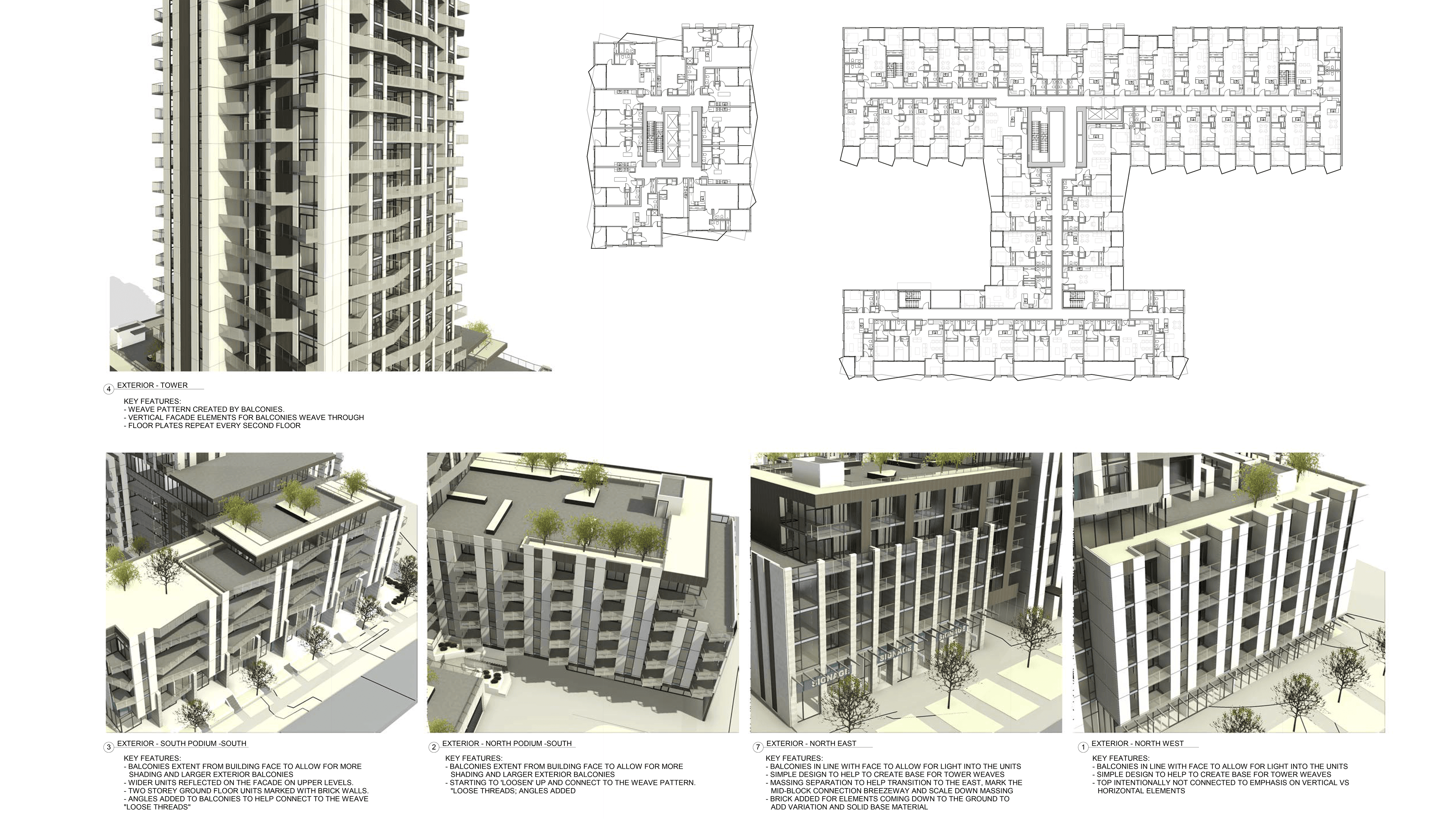
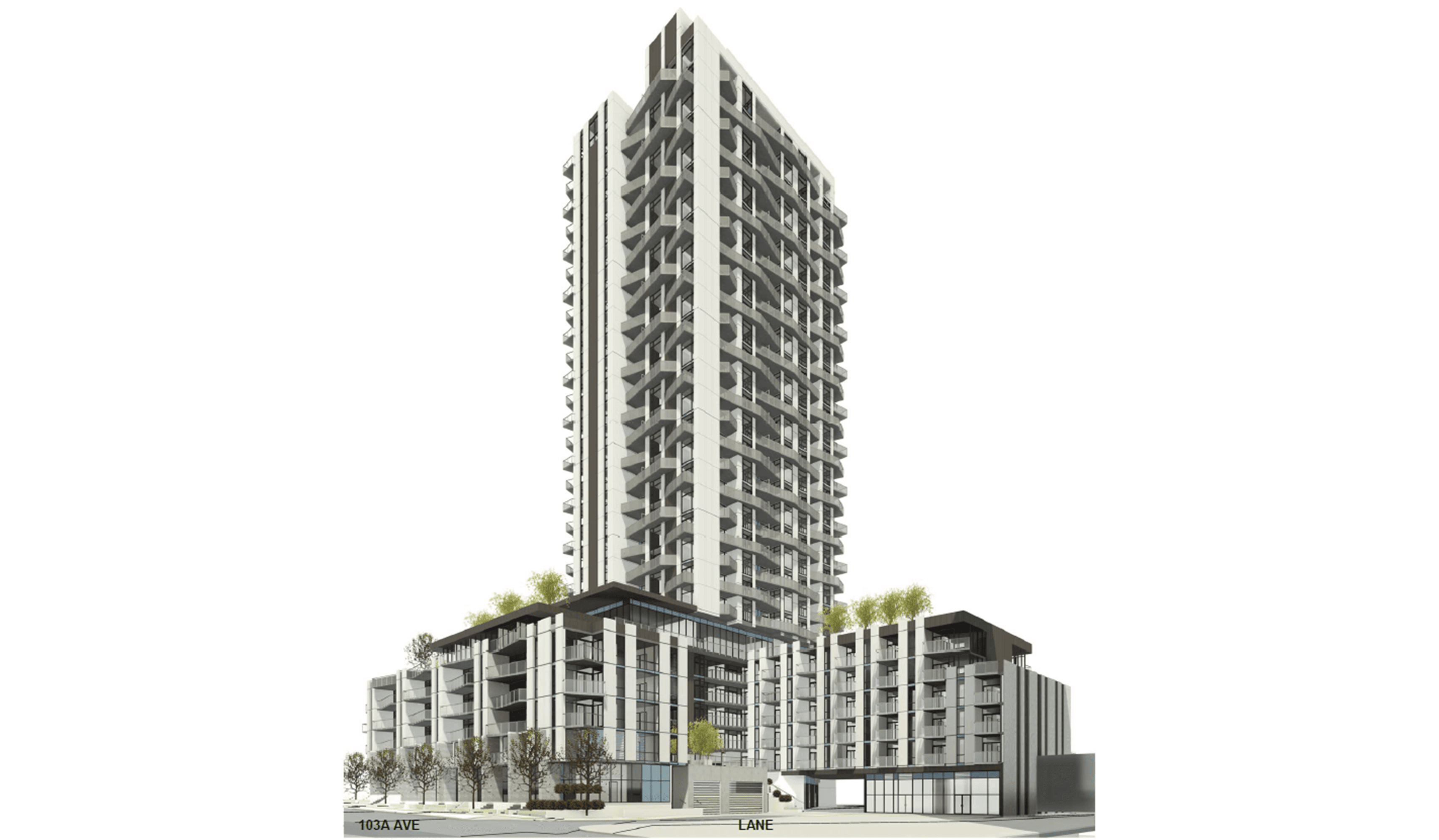
The balconies create a woven vertical pattern that interlaces with strong vertical elements to emphasize height and rhythm. The pattern adjusts by façade—tightening or loosening as needed—forming a unified identity from podium to tower.
Adaptive Balcony Logic Across All Facades
Balcony placement responds to orientation, sunlight, and user experience—using larger projections where shading and outdoor living are advantageous, and flush balconies where daylight and privacy are priorities. Angled balcony edges tie the system into the vertical façade weave, creating a cohesive and performance-driven exterior expression.